




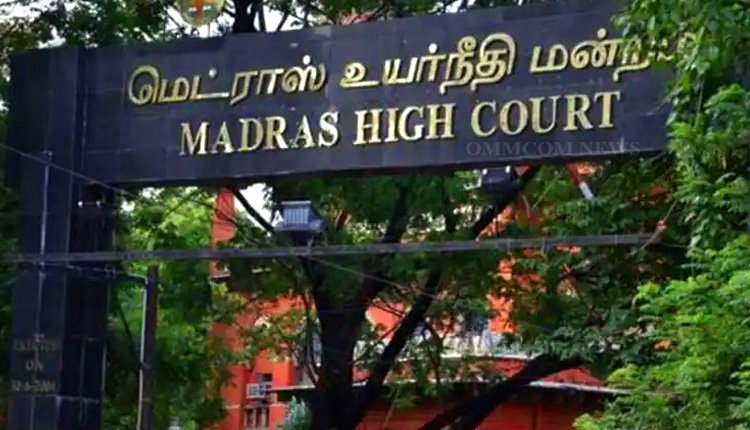
The Madras High Court has granted interim relief to a water-purifier company and restrained a YouTuber from making videos containing what the Court deemed false, misleading and disparaging statements about the company’s product.
⚠️ What the Court Held
The Court observed that when a YouTuber publishes false and defamatory statements about a product with wide circulation, it can amount to an unreasonable restriction on the company’s right to trade under Article 19(1)(g) of the Constitution.
It noted that such statements harm the company’s goodwill, business prospects, and market standing — affecting not only reputation but also legitimate business activity.
Considering balance of convenience and potential irreparable harm, the Court found a prima facie case justifying the grant of an interim injunction and directed the removal of the offending content.
📌 Significance
The judgment reinforces that while platforms like YouTube offer freedom of speech and expression, this freedom is not absolute — misleading or defamatory content about lawful products can be curtailed if it impairs business rights.
It suggests that creators and influencers must exercise responsibility: claims made in reviews or criticism must be backed by evidence or truth, else they may attract legal consequences, especially if they damage the businesses concerned.
More broadly, the case underscores that the right to conduct business peacefully — a constitutional guarantee — deserves protection from malicious or baseless disparagement under the guise of “reviews.”
