



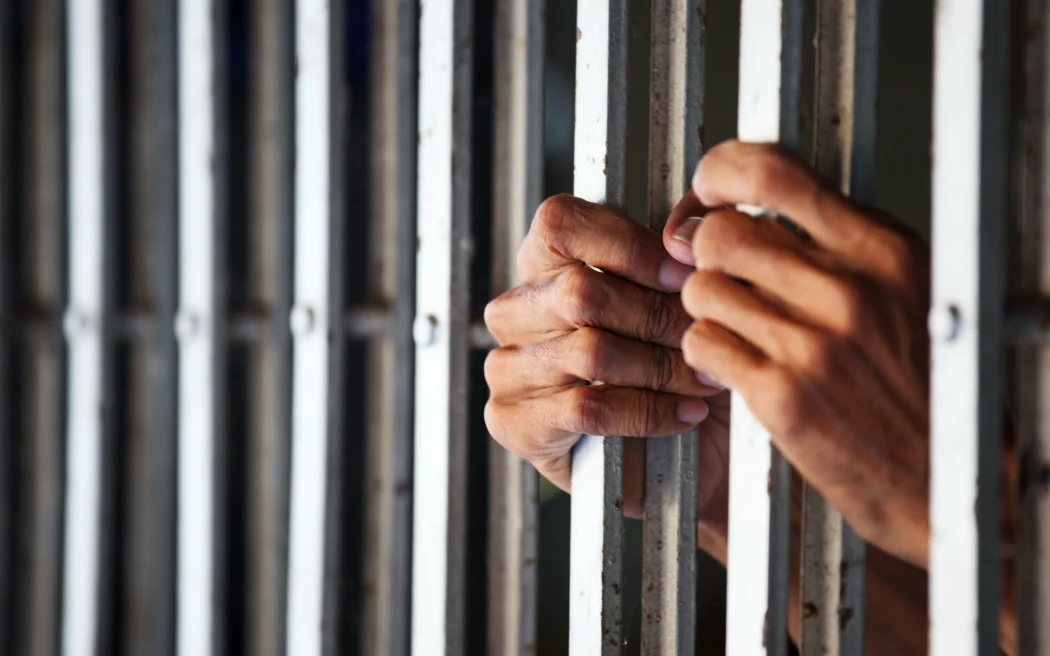
The Allahabad High Court has held that the suicide of a person in custody amounts to custodial death for purposes of state liability, and the State is absolutely liable to pay compensation to the deceased’s family. In a recent judgment, the Court awarded ₹10 lakh to the kin of a prisoner who died by suicide while under custody, underscoring the duty of the State to protect the life and dignity of persons in its care.
Facts of the Case
The deceased was lodged in a district jail when he was found hanging in his cell. While official records described the death as suicide, the family contended that negligence on the part of prison authorities — including lack of supervision and failure to ensure basic safeguards — contributed to the death.
Court’s Reasoning
The High Court reiterated that custody imposes a high duty of care on the State; life and personal liberty are fundamental rights that the State must protect, especially when the individual is in its exclusive control.
It observed that suicide while in custody reflects a failure of the State to discharge its protective obligations, since custodial settings must be maintained in a manner that prevents self-harm.
By categorising the incident as a custodial death, the Court emphasised that the State bears absolute liability — meaning compensation is due regardless of any proof of deliberate act or omission by specific officials.
The Court therefore awarded ₹10 lakh compensation to the deceased’s legal heirs, along with interest, as a just and equitable remedy for the State’s breach of duty.

Significance
This judgment reinforces that when a person dies by suicide in custody, it is treated as a custodial death attracting state liability, not merely as a private tragedy. It affirms that the State’s responsibility to safeguard inmates’ lives is absolute and non-derogable, and that failure to ensure custodial safety can attract monetary compensation even without proof of specific wrongdoing by individual officials.
