

Your peace of mind starts with clear legal strategy and responsive support—because your legal journey matters.

Desire To Console Ailing Parents No Ground For Emergent Parole: Delhi High Court Denies Relief To UAPA Accused

  • Home
  • Uncategorized
  • Desire To Console Ailing Parents No Ground For Emergent Parole: Delhi High Court Denies Relief To UAPA Accused

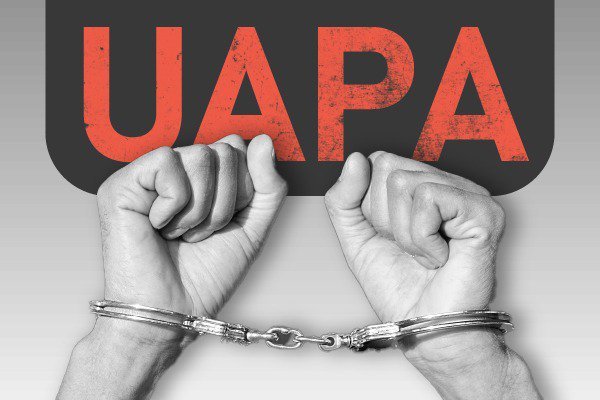
The Delhi High Court has ruled that the desire of a person accused under the Unlawful Activities (Prevention) Act (UAPA) to console his ill parents cannot by itself constitute a sufficient ground for emergent parole.

Facts

An under-trial accused facing charges under the UAPA sought emergency parole to visit his ailing parents. The prison authorities and the court were asked to consider his humanitarian plea.

Court’s Reasoning

The Court held that parole or emergency release is not automatic and especially in sensitive cases under the UAPA, the applicant must show special circumstances that justify release despite the serious nature of the charges.

It emphasised that mere personal hardships, such as wanting to console parents, do not meet the threshold for emergent relief where national security or public interest may be involved.

The Court observed that granting parole in such cases requires balancing the rights of the accused with the broader interests of justice, public safety and the integrity of the investigation.

Outcome

The application for emergent parole was denied. The Court directed that alternative arrangements, such as meeting under supervision or video‐link, may be considered, but full parole was refused based on the nature of the offence and applicable law.

Significance

This decision underscores that in UAPA matters, even humanitarian pleas must be weighed against the serious national security considerations involved. The threshold for parole is higher and applicants must present compelling grounds beyond routine personal or familial suffering.

Leave a Comment

Your email address will not be published. Required fields are marked *

Terms


The Bar Council of India's regulations restrict Piolex Legal Solutions (the "Firm") from promoting or soliciting business. The user agrees that: This website is only intended to provide the user with information about the Firm, its practice areas, and its consultants; There has been no advertisement, personal communication, solicitation, invitation, or inducement of any kind from the Firm or any of its members to solicit any work or advertise through this website. The user specifically seeks more information about the firm for his or her own information and professional or personal use, and any information accessed or materials downloaded are done so at the user's own risk. The use of this website does not create any Client-lawyer relationship between the Firm and the User.

The information on this website is not intended to be used as a means of advertisement or solicitation, and nothing on it should be taken to be legal advice in any manner.

The Firm is not responsible for any outcomes of actions made by users who depend on the content or information on this website.

This website's content is the Firm's intellectual property.

This will close in 11 seconds