




Supreme Court Orders Ex-Gratia Relief & Urges States to Treat Human–Wildlife Conflict as a Natural Disaster
The Supreme Court has directed state governments to consider classifying human–wildlife conflict as a “natural disaster”. In the same judgment, it has mandated a one-time ex-gratia compensation of ₹ 10 lakh to victims (or their legal representatives) of fatal attacks by wild animals.
Key Legal Observations & Orders
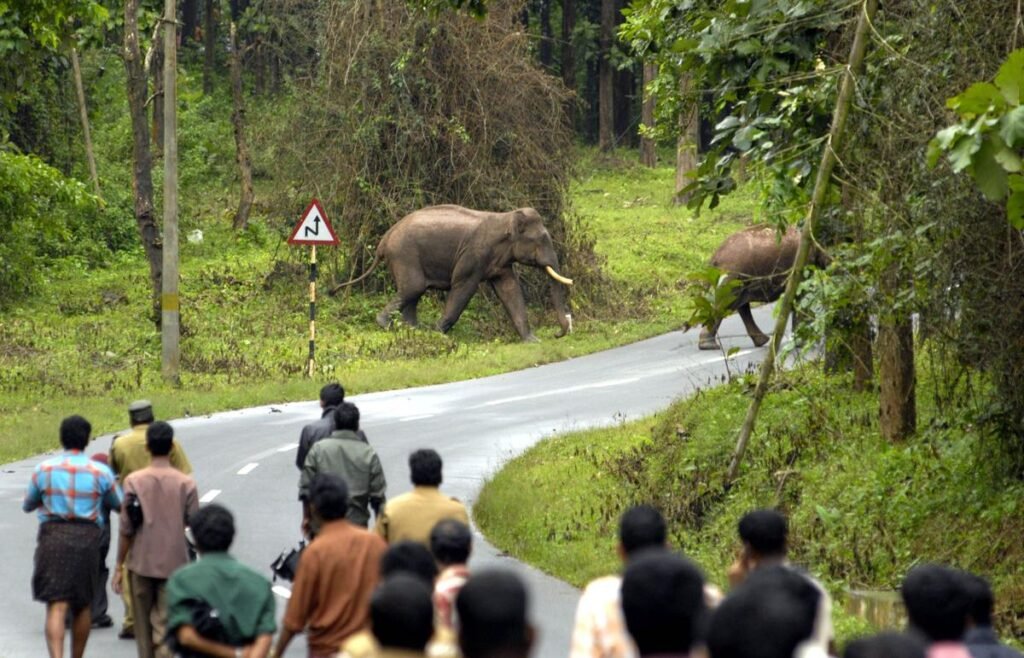
The Court emphasised that conflicts between humans and wildlife cause death, injury, displacement, and immense trauma, which warrants recognition at par with other natural calamities.
By designating such conflicts as disasters, states would be required to create and implement relief schemes, employ prevention strategies, and provide long-term support to affected communities.
The Supreme Court instructed states to formulate standardised compensation policies so that victims do not have to depend on unpredictable ad hoc grants.
The ₹ 10 lakh compensation is to be paid even if the state currently provides lower or no compensation for such incidents.
The Court said states should set up disaster management-like institutional mechanisms, which may include wildlife mitigation cells, early warning systems, and community awareness programmes.
Implications
This landmark ruling could transform the way governments respond to wildlife-human conflicts by making relief more predictable, institutionalised, and equitable.
Recognising such events as disasters may help channel funds through existing disaster relief frameworks, improving rescue, compensation, and preventive infrastructure.
It could foster more cooperation between wildlife authorities, forest departments, and civil administration, strengthening “prevention” rather than “compensation” as a policy goal.
