



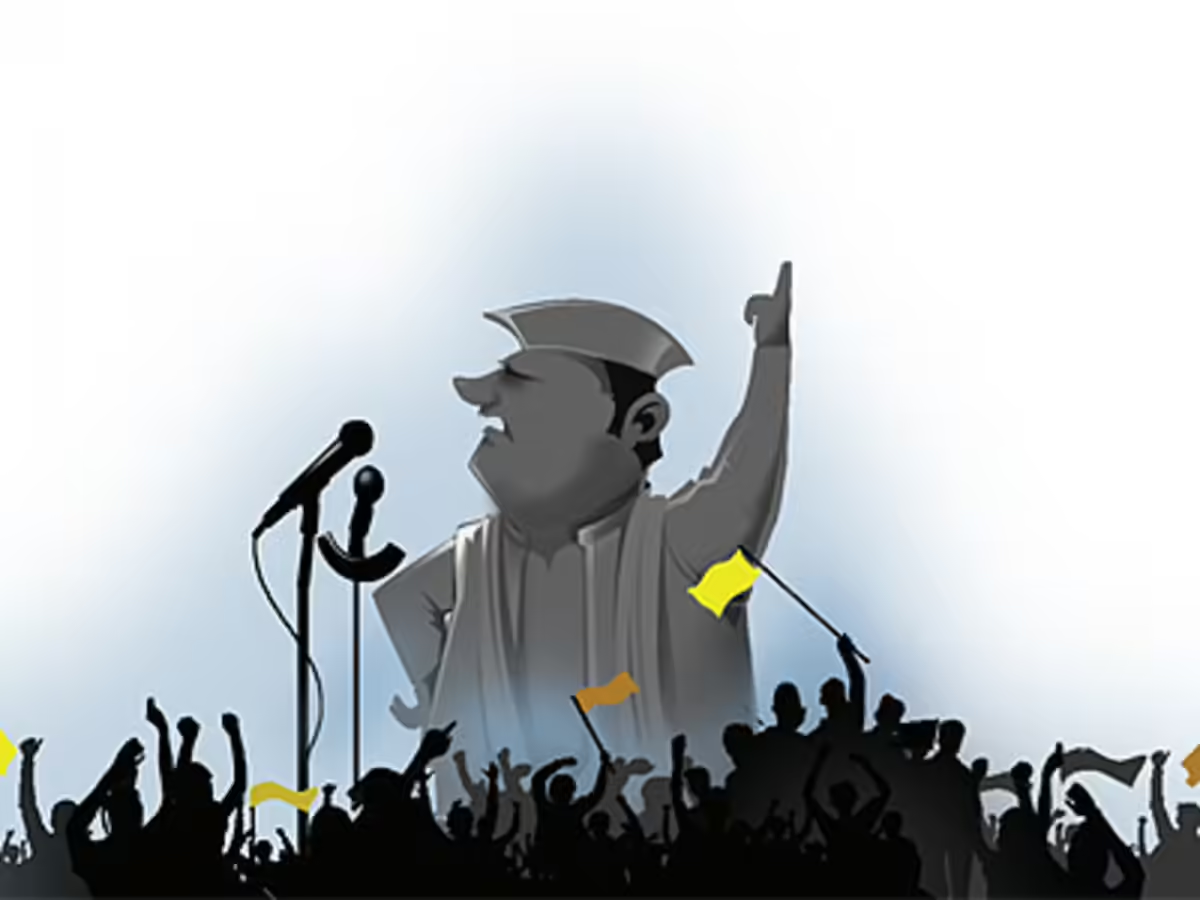
The Supreme Court has underscored that no individual, including public representatives or ministers, is entitled to denigrate, insult, or target any religious, racial, linguistic, or cultural community through speeches, publications, artworks, or any form of expression. The Court emphasised that freedom of speech and expression is guaranteed by the Constitution, but it is subject to reasonable restrictions to protect public order, decency, morality and the rights and dignity of others.
Key Principles Reaffirmed
Freedom of speech is not absolute. While artistic expression, political speech, and public discourse are protected, they cannot be used as a cover to spread hatred, derogatory stereotypes, or demeaning portrayals of any community.
Public office entails greater responsibility. Ministers and other political leaders hold positions of influence; the Court warned that when they make contentious statements or use their platforms to ridicule or offend any community, it can inflame tensions and damage social harmony.
Legal boundaries exist: Speech that promotes enmity between different groups, insults community sensitivities, or has the tendency to disrupt public peace can attract penal consequences under various provisions of the law, including provisions aimed at preventing hate speech and promotion of disharmony.
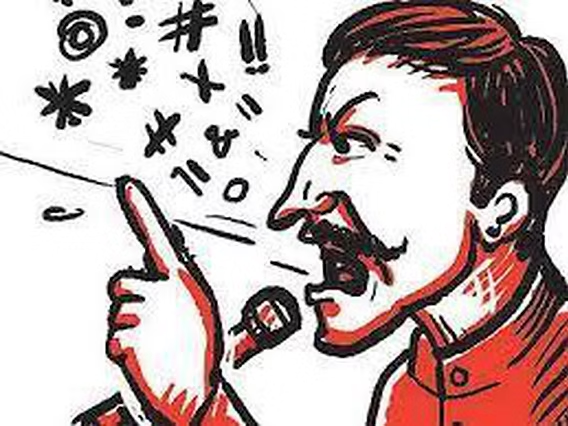
Why This Matters
This observation comes at a time when national discourse has seen instances of polarising rhetoric and controversial artistic content. The Supreme Court’s reminder reinforces that while robust debate is central to democracy, it must not cross the line into denigration or vilification of communities. Upholding constitutional values requires balancing individual freedoms with collective equality and respect for diversity.
