



Introduction
In a major step toward improving road safety, the Supreme Court has issued a series of nationwide directions aimed at addressing systemic issues on national highways. The Court emphasized that commuter safety is an essential part of the right to life under Article 21 of the Constitution.
Background of the Case
The directions were issued in a suo motu case arising from two tragic road accidents in 2025 in Rajasthan and Telangana, which together claimed over 30 lives.
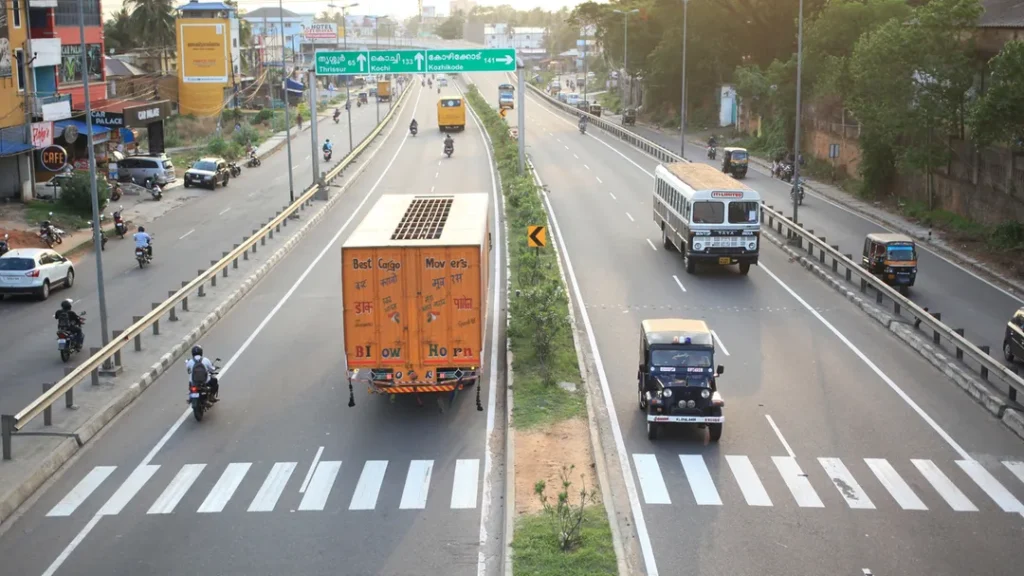
The Court noted that despite national highways forming only about 2% of India’s road network, they account for nearly 30% of road fatalities—highlighting serious safety concerns.
Key Observations by the Court
The Supreme Court stressed that:
- Safe travel on roads is a fundamental right under Article 21
- The State has a positive obligation to ensure safe infrastructure and conditions
- Administrative or financial limitations cannot justify failure to protect lives
The Court remarked that highways should not become “corridors of danger” due to negligence or poor planning.
Major Directions Issued
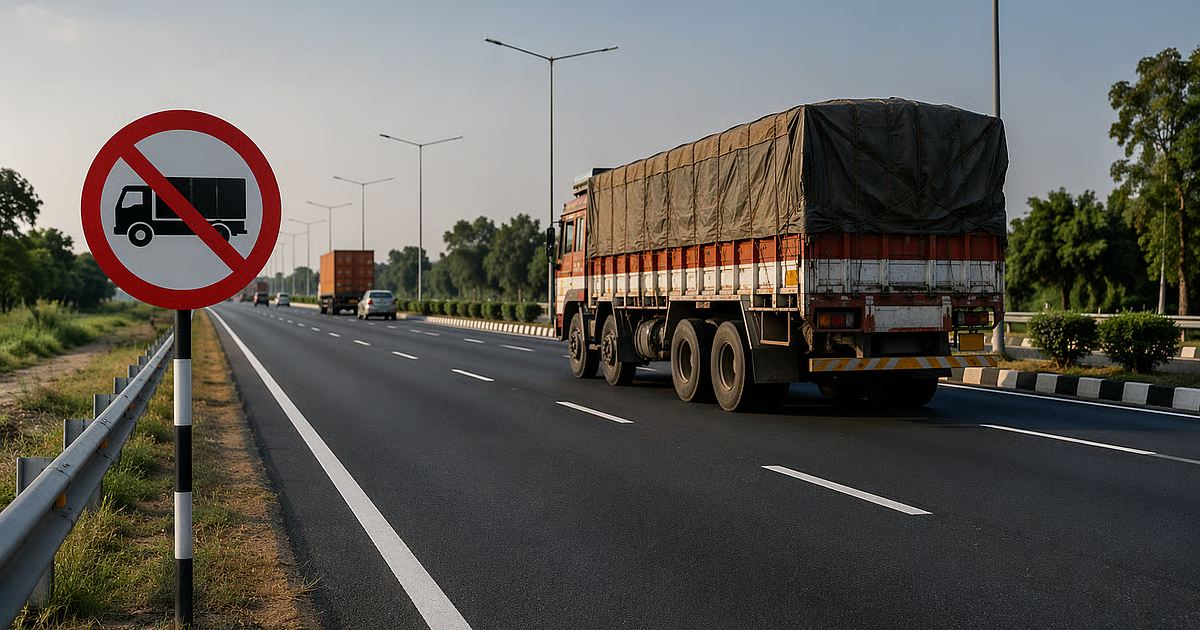
- Ban on Parking of Heavy Vehicles
The Court directed that heavy and commercial vehicles must not be parked on highways or shoulders except at designated areas like lay-bys or parking zones.
- Removal of Unauthorized Dhabas & Encroachments
All illegal structures such as roadside dhabas, eateries, and commercial establishments within highway limits must be removed within a fixed timeframe.
- No Licenses Without Clearance
Authorities have been prohibited from granting or renewing licenses for businesses located within highway safety zones without prior approval from competent highway authorities.
- Formation of District Highway Safety Task Forces
Each district through which a national highway passes must set up a dedicated task force involving administration, police, and highway authorities to monitor safety compliance.
- Continuous Surveillance and Patrolling
State police and transport departments must deploy dedicated teams for regular highway patrolling, supported by technology such as vehicle tracking systems and cameras.
- Identification of Accident-Prone Areas
Authorities have been directed to identify accident “blackspots” and install proper lighting, signage, and speed monitoring systems within a specified period.
- Emergency Response System
The Court mandated deployment of ambulances and recovery vehicles at intervals of not more than 75 km to ensure quick response during accidents.
- Development of Wayside Amenities
Proper facilities such as rest areas, washrooms, food services, and safe parking must be developed at regular intervals along highways.
- Truck Lay-By Facilities
Dedicated parking and resting zones for truck drivers must be constructed to prevent unsafe roadside halts.
- Use of Technology
Advanced Traffic Management Systems (ATMS), speed detection cameras, and emergency call systems must be implemented across highways for better monitoring.
Legal Significance
The Court clarified that the right to life under Article 21 is not limited to protection against unlawful death but includes the right to safe and secure travel.
It further stated that even a single preventable death due to poor road conditions reflects failure of the State’s constitutional duty.
Conclusion
This ruling marks a significant step toward strengthening road safety in India. By issuing time-bound and enforceable directions, the Supreme Court has reinforced that protecting human life must remain the highest priority, and that highways should be safe for every commuter.
