



Introduction
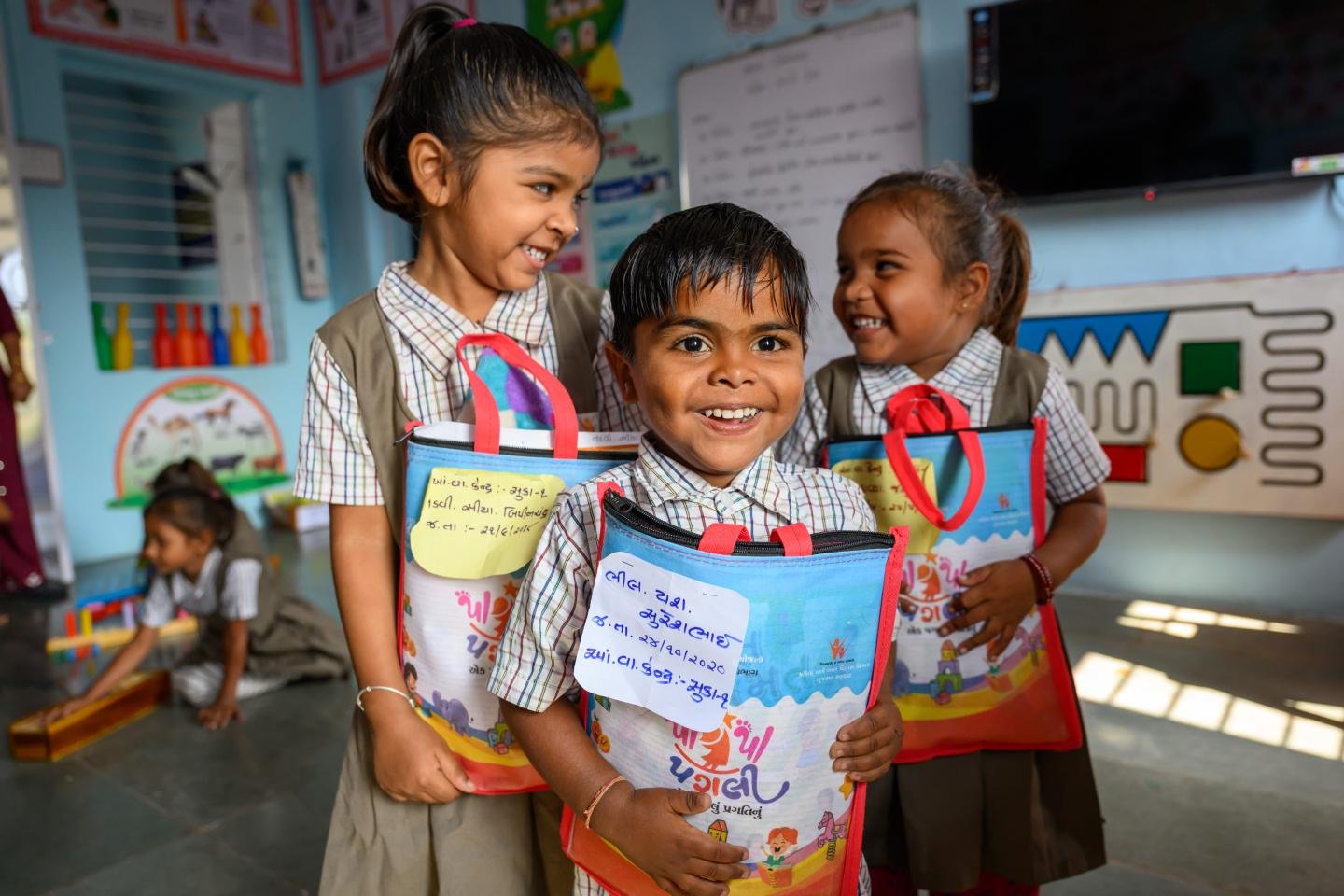
In a landmark judgment on language and education rights, the Supreme Court has held that a child’s right to receive education in their mother tongue or language of choice is protected under Article 19(1)(a) of the Constitution, which guarantees freedom of speech and expression.
Background of the Case
The matter arose from a plea seeking recognition and promotion of the Rajasthani language in schools and educational institutions in Rajasthan.
The petitioners argued that children studying in unfamiliar languages face serious barriers in understanding concepts, participating in classrooms, and accessing meaningful education.
Court’s Key Observation
The Supreme Court observed that:
- The right to freedom of speech and expression includes the right to receive information in a language that is meaningful and comprehensible
- For children at the foundational stage, this naturally includes education in their mother tongue
- Language is closely linked with identity, dignity, and meaningful participation in society
The Court stated that comprehension must come before effective learning.
Mother Tongue and Quality Education
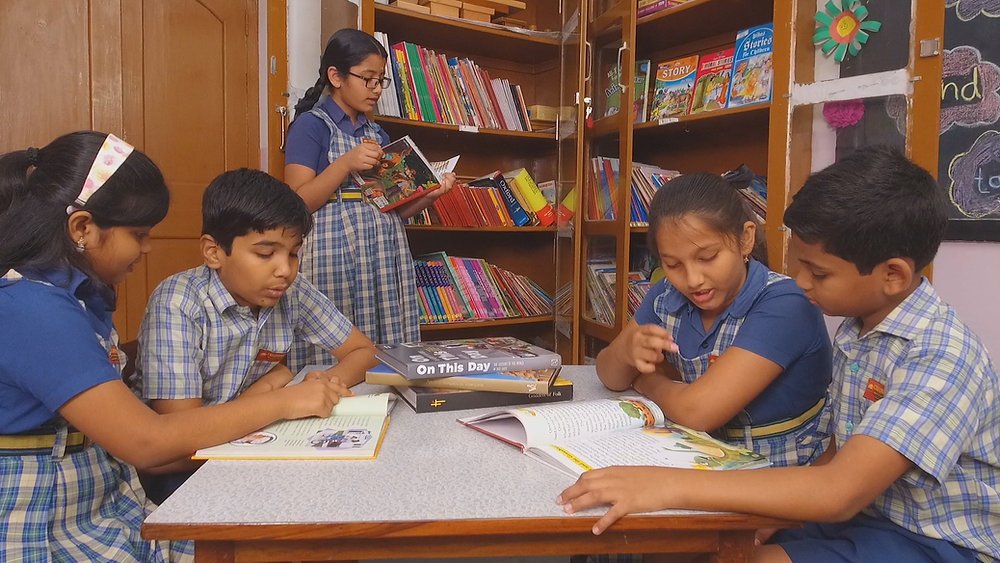
The Court emphasized that education cannot be considered truly effective if students are unable to properly understand the medium of instruction.
It noted that:
- Teaching children in a familiar language improves understanding and cognitive development
- Mother tongue-based education promotes inclusivity and equal access to learning
- Language barriers can negatively affect educational growth during early childhood years
Reliance on Earlier Judgments
The Bench referred to earlier Supreme Court decisions, especially the 2014 judgment in State of Karnataka v. Associated Management of English Medium Primary & Secondary Schools.
In that case, the Court had recognized that a child or parent has the freedom to choose the medium of instruction at the primary level.
Directions Issued to Rajasthan Government
The Supreme Court directed the Rajasthan Government to:
- Formulate a comprehensive policy for mother tongue-based education
- Progressively introduce Rajasthani as a subject in schools
- Take affirmative steps to facilitate education in local and regional languages in line with the National Education Policy (NEP) 2020
Constitutional Principles Highlighted
The Court linked the issue with multiple constitutional provisions, including:
- Article 19(1)(a) – Freedom of speech and expression
- Article 21A – Right to education
- Article 350A – Instruction in mother tongue for linguistic minorities
It stressed that education must not only be available but also understandable and meaningful.
Importance of the Ruling
This judgment is significant because it:
- Strengthens linguistic and educational rights of children
- Reinforces the importance of mother tongue-based learning
- Encourages inclusive and accessible education policies
- Gives constitutional backing to principles reflected in the NEP 2020
Conclusion
The Supreme Court has reaffirmed that language is not merely a tool of communication but an essential part of identity and learning. By recognizing education in the mother tongue as a constitutional right, the Court has taken an important step toward making education more inclusive, meaningful, and accessible for children across India.
