



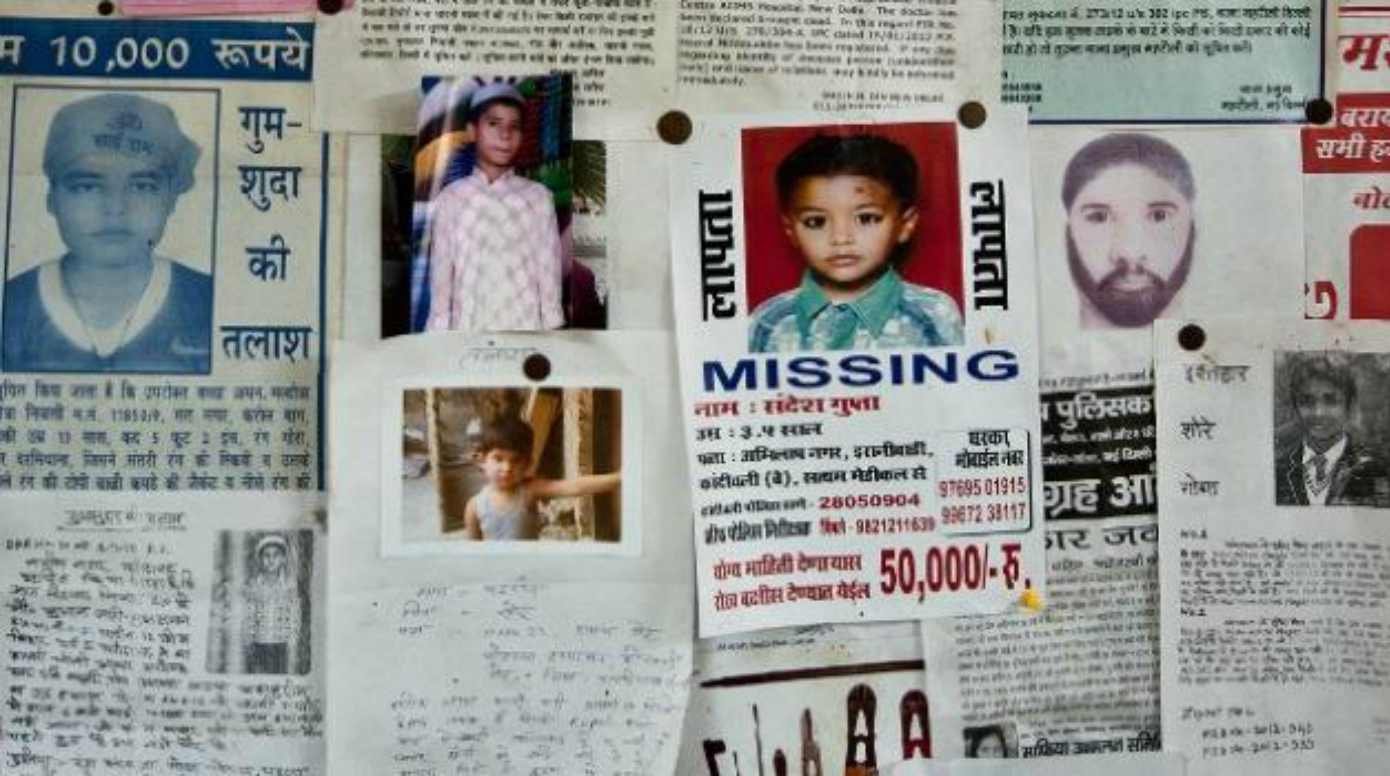
Introduction
Taking serious note of the rising number of missing children across India, the Supreme Court has directed authorities to treat every missing child case as a potential case of kidnapping or trafficking from the very beginning.
The Court issued a series of nationwide directions aimed at strengthening investigation mechanisms, improving coordination between agencies, and combating child trafficking networks operating across states.
Supreme Court’s Concern
The Bench expressed alarm over the large number of children who continue to remain untraced in India.
During the hearing, it was noted that nearly 47,000 children across the country are still missing and untraced. The Court observed that such cases cannot be treated casually and require immediate and coordinated action from law enforcement authorities.
Presumption of Kidnapping in Missing Child Cases
One of the most important directions issued by the Court was that:
- Whenever a child is reported missing, authorities must proceed on the presumption that kidnapping or trafficking may be involved
- Police should not wait for preliminary inquiries or private searches by family members before acting
- Immediate registration of an FIR is mandatory
The Court emphasized that delays during the initial stages often reduce the chances of tracing missing children.
Mandatory FIR Registration
The Supreme Court directed all police stations across the country to:
- Immediately register FIRs in every missing child case
- Include relevant provisions relating to kidnapping and trafficking where necessary
- Begin investigation without delay
The Court clarified that missing child complaints must not be treated as routine “missing person” entries alone.
Anti-Human Trafficking Units to Be Fully Functional
The Court also focused on strengthening Anti-Human Trafficking Units (AHTUs).
It directed that:
- All AHTUs across India must be made fully operational within a fixed timeframe
- Dedicated manpower, training, and infrastructure should be provided
- Cases involving trafficking indicators should be transferred to these specialized units immediately
The Bench stressed that trafficking networks often operate across state borders and require specialized investigation.
Creation of National Data Grid
To improve coordination, the Supreme Court directed the Ministry of Home Affairs to work towards creating a centralized national data grid.
The proposed system is expected to:
- Link police stations across India
- Integrate databases such as TrackChild, Khoya-Paya, and CCTNS
- Enable real-time sharing and tracking of missing child information across states
The Court observed that technological integration is essential for faster tracing and rescue operations.

Standard Operating Procedure (SOP)
The Court also ordered preparation of a uniform Standard Operating Procedure (SOP) for handling missing child cases across the country.
The SOP is expected to cover:
- Immediate response mechanisms
- Investigation protocols
- Rescue and rehabilitation procedures
- Inter-state coordination guidelines
The aim is to ensure consistency and accountability in handling such sensitive cases.
Constitutional and Human Rights Perspective
The Supreme Court emphasized that protection of children is directly linked to:
- Article 21 – Right to life and dignity
- Constitutional obligation of the State to protect children from exploitation and trafficking
The Court noted that failure to respond effectively in missing child cases may expose children to trafficking, forced labour, abuse, and exploitation.
Importance of the Directions
The Supreme Court’s directions are significant because they:
- Strengthen anti-trafficking measures nationwide
- Ensure immediate police response in missing child cases
- Improve inter-state coordination and investigation
- Prioritize child safety and rehabilitation
- Reduce delays during the crucial initial period after disappearance
Conclusion
The Supreme Court has made it clear that missing child cases cannot be handled casually or treated as ordinary complaints. By directing authorities to proceed on the presumption of kidnapping and mandating immediate FIR registration, the Court has reinforced the urgent need for a stronger and more coordinated system to protect children from trafficking and exploitation.
