



Introduction
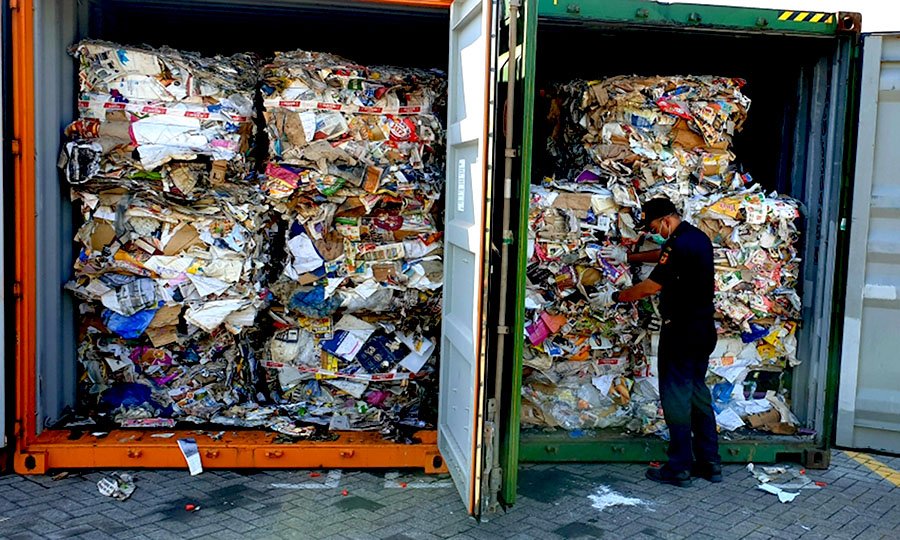
In a significant judgment addressing environmental protection and national interest, the Madras High Court strongly condemned the illegal import of waste into India. The Court observed that allowing foreign waste to enter the country not only threatens public health and the environment but also undermines the nation’s sovereignty and dignity. It emphasized that India cannot become a dumping ground for waste generated by other countries.
Background of the Case
The matter before the Madras High Court concerned the import of waste materials into India in alleged violation of environmental laws and import regulations. The Court examined whether such imports complied with statutory requirements and international obligations relating to hazardous and other waste.
During the proceedings, the Court expressed serious concern over the growing problem of illegal waste imports and their long-term impact on the country’s environment and public welfare.
Court’s Key Observations
The Madras High Court observed that:
- Illegal import of waste poses a serious threat to the nation’s environmental security.
- India should not be treated as a destination for disposing of waste generated abroad.
- Authorities have a constitutional and statutory duty to prevent unlawful import of hazardous and other prohibited waste.
- Environmental protection is closely linked to the health, safety, and well-being of citizens.
The Court stressed that strict enforcement of environmental laws is essential to safeguard the country’s natural resources and public interest.
Environmental Protection Is a Constitutional Responsibility
The Court reiterated that environmental protection is not merely a policy objective but a constitutional obligation.
According to the Court:
- The State has a duty to protect and improve the environment.
- Every citizen also shares responsibility for preserving natural resources.
- Authorities must act promptly against activities that threaten ecological balance or public health.
The Bench emphasized that environmental degradation has consequences extending far beyond individual cases and affects future generations.
Need for Strict Enforcement
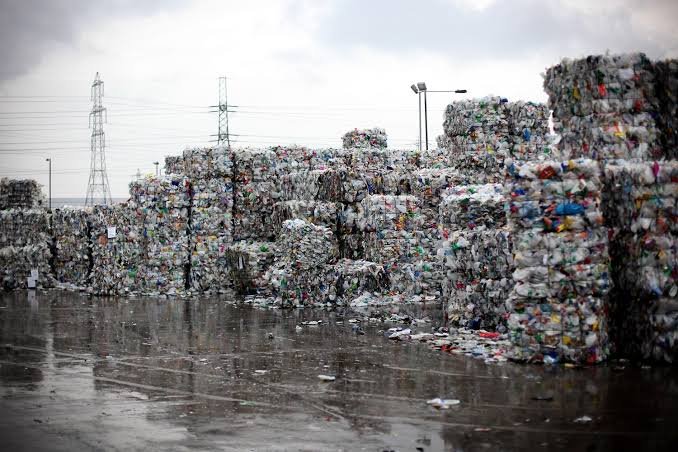
The High Court highlighted the importance of effective monitoring at ports and customs checkpoints.
The Court observed that:
- Illegal waste shipments should be detected and stopped at the earliest stage.
- Regulatory authorities must coordinate effectively to prevent unlawful imports.
- Any violation of environmental laws should invite strict legal action against those responsible.
The Court noted that regulatory failures could expose the country to serious environmental and economic risks.
Importance of the Judgment
This ruling is significant because it:
- Reinforces India’s commitment to environmental protection.
- Emphasizes that illegal waste imports cannot be tolerated.
- Calls for stronger enforcement of environmental and import regulations.
- Highlights the responsibility of public authorities to protect the country’s ecological and public health interests.
- Affirms that environmental security is an important aspect of national governance.
Conclusion
The Madras High Court’s decision sends a strong message that illegal import of waste into India cannot be permitted under any circumstances. By emphasizing the need for strict enforcement of environmental laws and protection of national interests, the Court reaffirmed that safeguarding the country’s environment is essential for protecting public health, preserving natural resources, and ensuring sustainable development for future generations.
