



Introduction
In an important observation during the hearing of a case under the Protection of Children from Sexual Offences (POCSO) Act, 2012, the Supreme Court expressed concern over the criminalisation of consensual romantic relationships between adolescents. The Court observed that the age group of 15 to 18 years is often marked by emotional development and experimentation, and noted that many criminal cases are initiated by parents seeking to protect family honour rather than to address genuine sexual exploitation.
The Court’s remarks have reignited discussions on whether the POCSO Act requires legislative reconsideration in cases involving consensual relationships between older adolescents.
Court’s Observations
During the hearing, the Bench observed that teenagers between 16 and 18 years of age often develop consensual romantic relationships and may leave home together.
The Court remarked that in several cases:
- Parents lodge criminal complaints after discovering the relationship.
- Allegations are often driven by concerns about family reputation or social pressure.
- The consensual nature of the relationship is overlooked once criminal proceedings begin under the POCSO Act.
The Bench indicated that such cases frequently compel courts to acquit the accused after examining the evidence.
Concern Over Blanket Criminalisation
The Supreme Court questioned whether the existing legal framework adequately distinguishes between:
- Sexual exploitation or abuse of minors, and
- Consensual romantic relationships between adolescents of similar age.
The Court observed that treating every such case as a serious criminal offence may not always reflect the realities of adolescent relationships and could result in unintended consequences for young people.
POCSO Act’s Current Legal Position
Under the POCSO Act:
- Every person below 18 years of age is legally considered a child.
- Any sexual activity involving a person under 18 is treated as an offence, irrespective of consent.
- The Act does not currently recognise consent given by a minor as a legal defence.
Therefore, unless Parliament amends the law, consensual sexual relationships involving minors continue to fall within the scope of the POCSO Act.
Wider Debate
The Court’s observations have once again brought attention to the ongoing debate over introducing a “close-in-age” or “Romeo and Juliet” exception, which exists in some jurisdictions to prevent criminal prosecution of consensual relationships between adolescents who are close in age.
Supporters argue that such an exception would prevent misuse of the law in consensual cases, while critics caution that any relaxation must not weaken protections against child sexual abuse or exploitation.

Significance of the Observations
The Supreme Court’s remarks are significant because they:
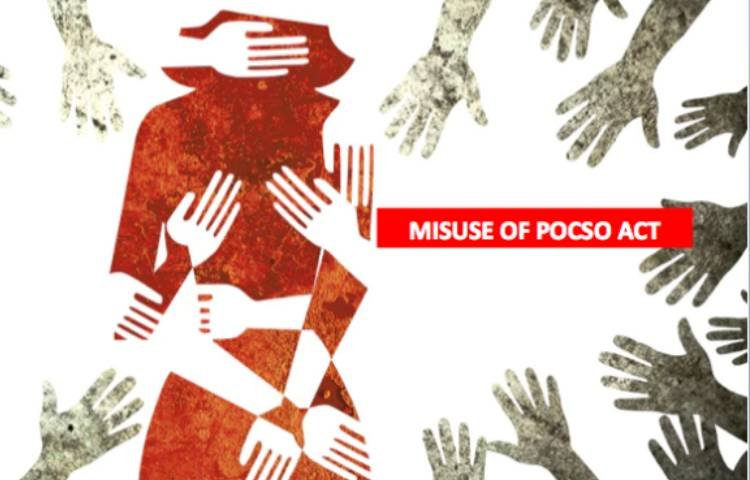
- Highlight concerns about the misuse of the POCSO Act in consensual teenage relationship cases.
- Draw attention to the distinction between exploitation and adolescent relationships.
- Encourage discussion on whether legislative reforms are needed.
- Reiterate that the judiciary must apply the law as enacted, while broader policy changes remain within Parliament’s domain.
Conclusion
The Supreme Court’s observations do not change the existing legal position under the POCSO Act. The law continues to criminalise sexual activity involving persons below 18 years of age, regardless of consent. However, the Court’s remarks have added momentum to the ongoing debate on whether the law should differentiate between consensual relationships among older adolescents and cases involving coercion or sexual exploitation. Any such change would ultimately require legislative action by Parliament.
