



Introduction
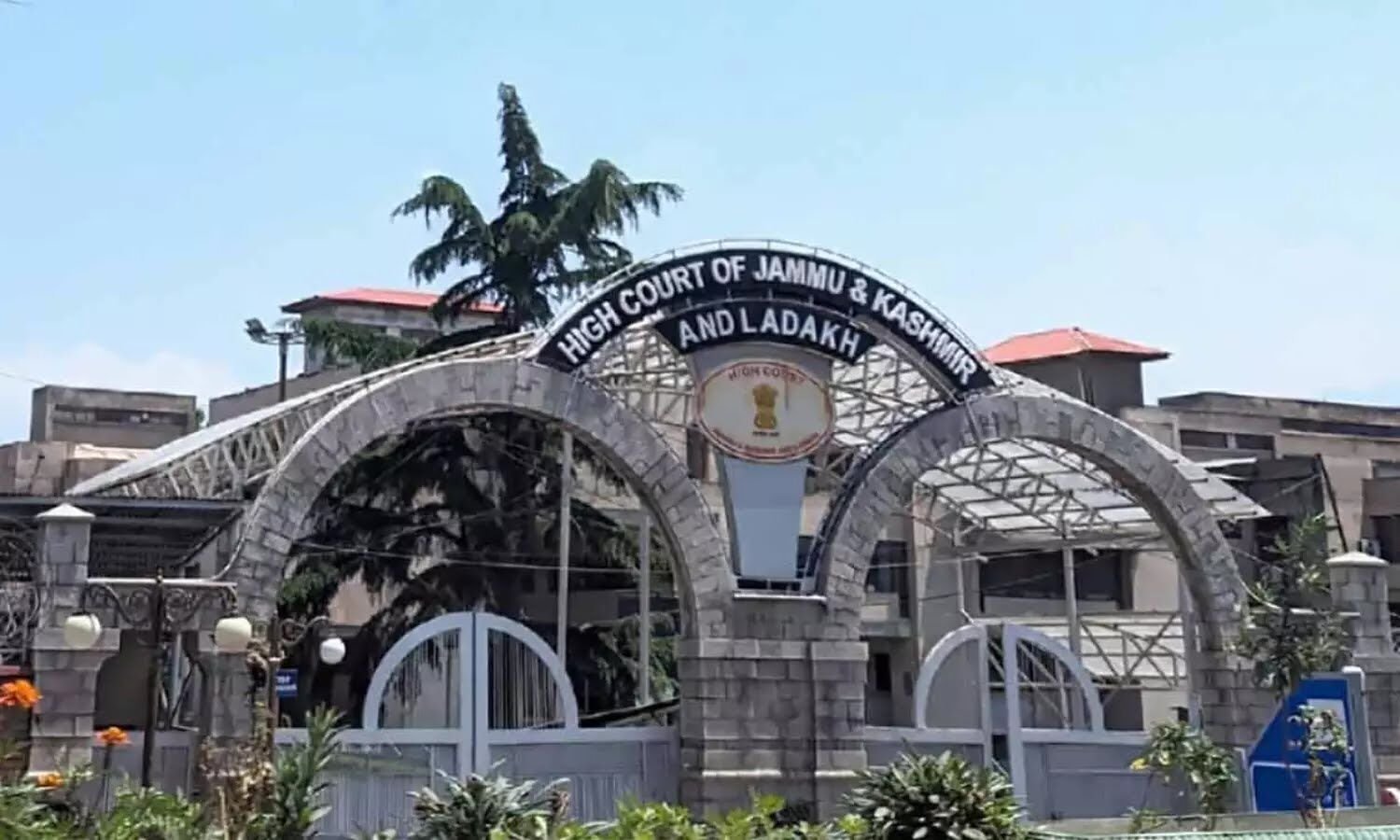
In a significant ruling protecting the rights of retired government employees, the Jammu & Kashmir and Ladakh High Court held that pension, gratuity, and other retiral benefits cannot be withheld merely because the Government suspects an employee’s involvement in a criminal case or contemplates future proceedings. The Court observed that retiral benefits are valuable statutory and constitutional rights and cannot be kept in limbo without the authority of law.
Background of the Case
The case involved a retired government employee whose pension and gratuity were withheld by the authorities on the ground that he was allegedly involved in a criminal investigation and that disciplinary proceedings might be initiated in the future.
The employee challenged the action, arguing that no judicial or departmental proceedings had been formally instituted against him in accordance with the applicable service rules, making the withholding of his retiral benefits unlawful.
Court’s Key Observations
The Jammu & Kashmir and Ladakh High Court observed that:
- Pension and gratuity are not discretionary payments but earned benefits accrued through years of service.
- Mere suspicion of criminal involvement is insufficient to withhold retiral dues.
- Contemplation of future disciplinary or criminal proceedings does not authorise the Government to indefinitely retain an employee’s retirement benefits.
- Any action affecting retiral benefits must strictly comply with the applicable statutory provisions.
Retiral Benefits Are Protected by Law
The Court emphasized that retirement benefits enjoy constitutional and statutory protection.
According to the Court:
- Pension and gratuity constitute valuable property rights.
- Such rights cannot be taken away except through due process of law.
- Authorities must demonstrate the existence of legally instituted proceedings before withholding retiral benefits.
Suspicion Alone Is Not Enough
The High Court clarified that administrative authorities cannot deprive a retired employee of financial benefits solely on the basis of suspicion.
The Court observed that:
- A person cannot be penalised merely because an investigation is contemplated or because allegations exist.
- Unless judicial or departmental proceedings have been validly initiated under the relevant service rules, retirement benefits must be released.
- Arbitrary withholding of pension and gratuity causes unnecessary hardship to retired employees who depend upon these benefits for their livelihood.

Court’s Decision
The High Court dismissed the Government’s challenge and upheld the order directing the release of the employee’s retiral benefits. It held that, in the absence of duly instituted judicial or departmental proceedings, the authorities had no legal basis to withhold the employee’s pension, gratuity, and other retirement dues.
Significance of the Judgment
This ruling is important because it:
- Reaffirms that pension and gratuity are valuable legal rights of retired employees.
- Clarifies that mere suspicion or a contemplated inquiry cannot justify withholding retiral benefits.
- Reinforces the requirement of due process before depriving a person of retirement benefits.
- Protects retired employees from arbitrary administrative action.
- Strengthens constitutional safeguards relating to property rights and fair administrative procedure.
Conclusion
The Jammu & Kashmir and Ladakh High Court’s judgment reinforces that retirement benefits cannot be withheld on the basis of mere suspicion or proposed future action. By holding that pension and gratuity may be withheld only in accordance with the applicable legal framework, the Court reaffirmed that retired employees are entitled to the protection of due process and cannot be deprived of their earned benefits through arbitrary administrative decisions.
