



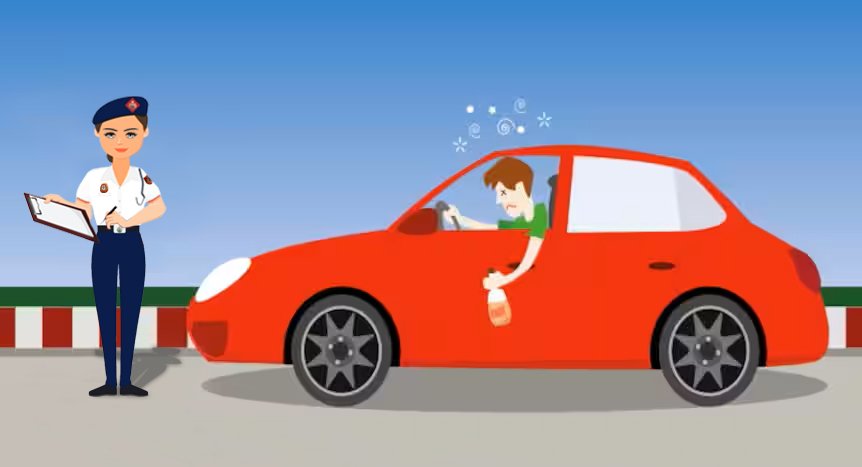
In an important ruling on the limits of police powers, the Telangana High Court has held that vehicles cannot be detained or seized merely because the driver is found to be under the influence of alcohol.
Key Observation by the Court
The Court clarified that while drunk driving is a punishable offence, the law does not authorize police to seize or detain the vehicle solely on this ground.
It emphasized that the primary objective should be to prevent the intoxicated person from driving, not to penalize by confiscating the vehicle.
Guidelines Issued by the Court
The High Court laid down clear procedural guidelines for handling such situations:
- If the driver is intoxicated, they must be immediately stopped from driving
- If a co-passenger with a valid driving licence is present, they should be allowed to take control of the vehicle
- If no such person is available, police must inform a relative or friend to take custody of the vehicle
- Only in exceptional cases can the vehicle be taken into temporary custody for safety reasons
These measures ensure that enforcement remains fair and within legal limits.
Legal Reasoning
The Court noted that neither the Motor Vehicles Act nor other applicable laws give police the authority to seize a vehicle solely due to drunk driving.
It reiterated that such action would go beyond legal powers and violate due process.
Background of the Case
The matter arose when a vehicle was seized after a person was caught driving under the influence of alcohol. The vehicle owner challenged this action, arguing that it was illegal and contrary to established legal principles.
The Court, while deciding the case, reaffirmed earlier guidelines and clarified the correct legal position.
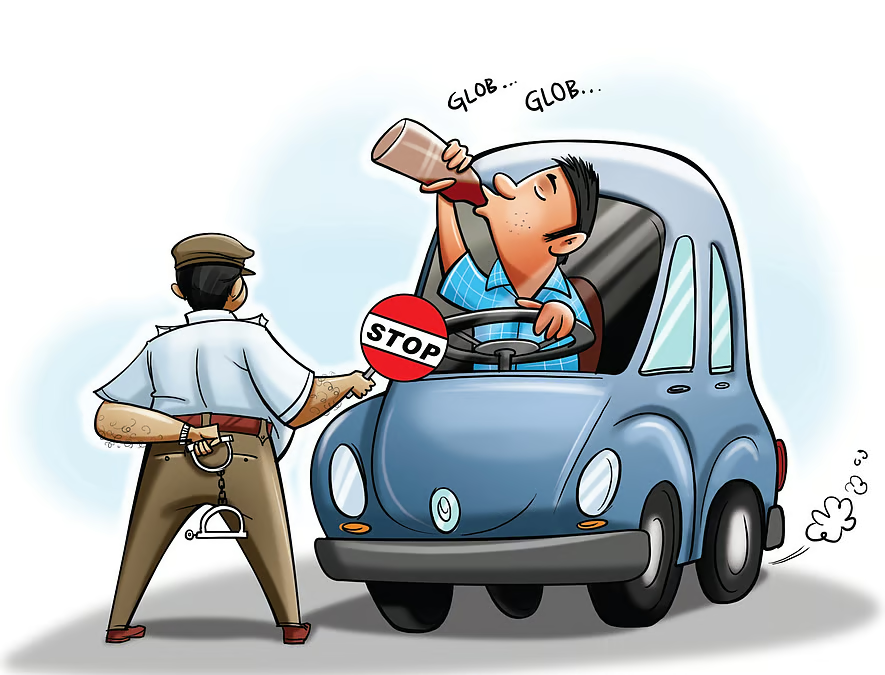
Importance of the Ruling
This decision is significant because it:
- Protects citizens from excessive or unlawful police action
- Ensures proper balance between law enforcement and individual rights
- Reinforces that punishment must follow due legal procedure
Conclusion
The Telangana High Court has made it clear that while drunk driving must be strictly dealt with, enforcement must remain within legal boundaries. Vehicles cannot be treated as a punitive tool, and authorities must follow proper procedures, including handing over custody to a responsible person.
