



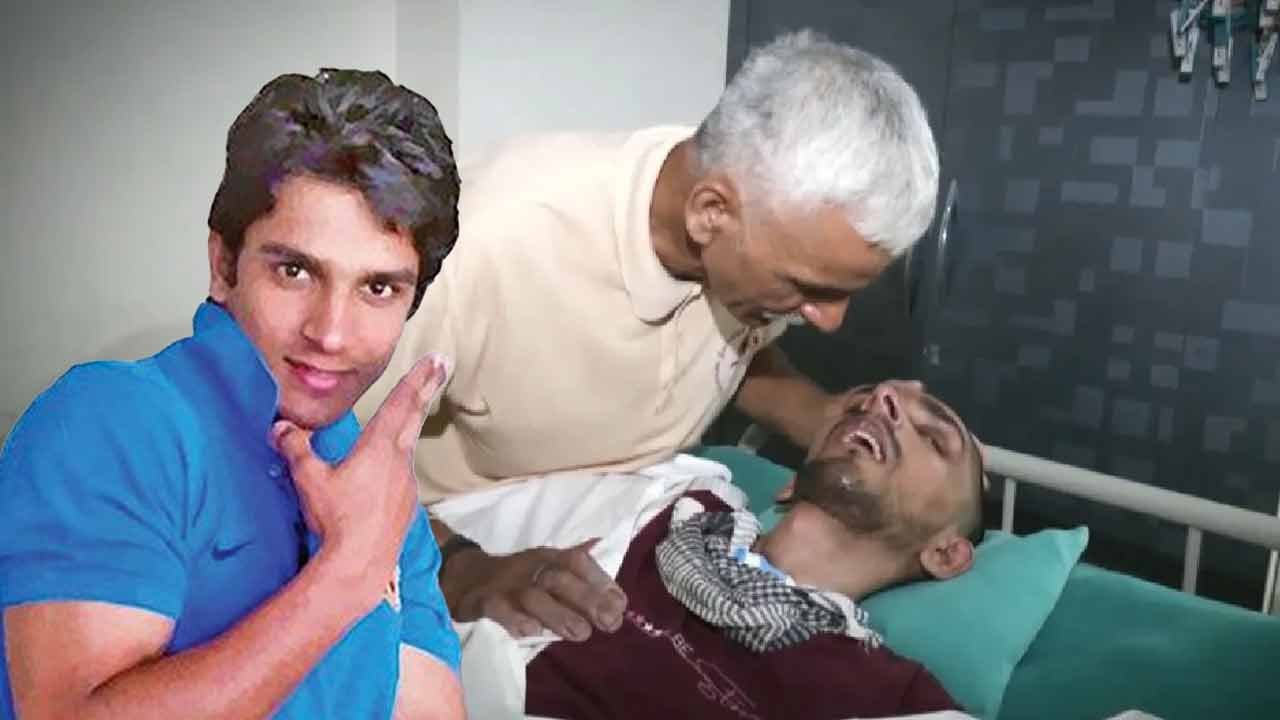
In a historic decision, the Supreme Court of India permitted passive euthanasia for the first time in an individual case, allowing doctors to withdraw life-sustaining treatment for a 32-year-old man who had been in a permanent vegetative state for about 13 years after a severe brain injury.
Background
The man, Harish Rana, suffered a traumatic brain injury after falling from a building in 2013 while he was a student in Chandigarh. Since then, he remained in a persistent vegetative state with no meaningful interaction with his surroundings.
His parents approached the Supreme Court seeking permission to withdraw life support, arguing that there was no possibility of recovery and that continuing artificial support was prolonging suffering.
Court’s Decision
A bench of Justices J. B. Pardiwala and K. V. Viswanathan allowed the withdrawal of artificial life support, emphasizing that the process must ensure “dignity in death.”
The Court also directed that:
The procedure should follow strict medical safeguards.
The patient’s dignity must be maintained during the withdrawal of treatment.
The case be handled under the legal framework laid down earlier for passive euthanasia.
Legal Significance
This is the first practical implementation of the passive euthanasia guidelines recognised in the Common Cause v. Union of India (2018) judgment, which affirmed the right to die with dignity under Article 21.
The ruling clarifies that life support may be withdrawn when it is in the patient’s best interests and recovery is medically impossible.
Key Legal Principle:
Passive euthanasia—withdrawal of life-sustaining treatment—is legally permissible in India under strict safeguards, recognising a patient’s right to die with dignity.
