



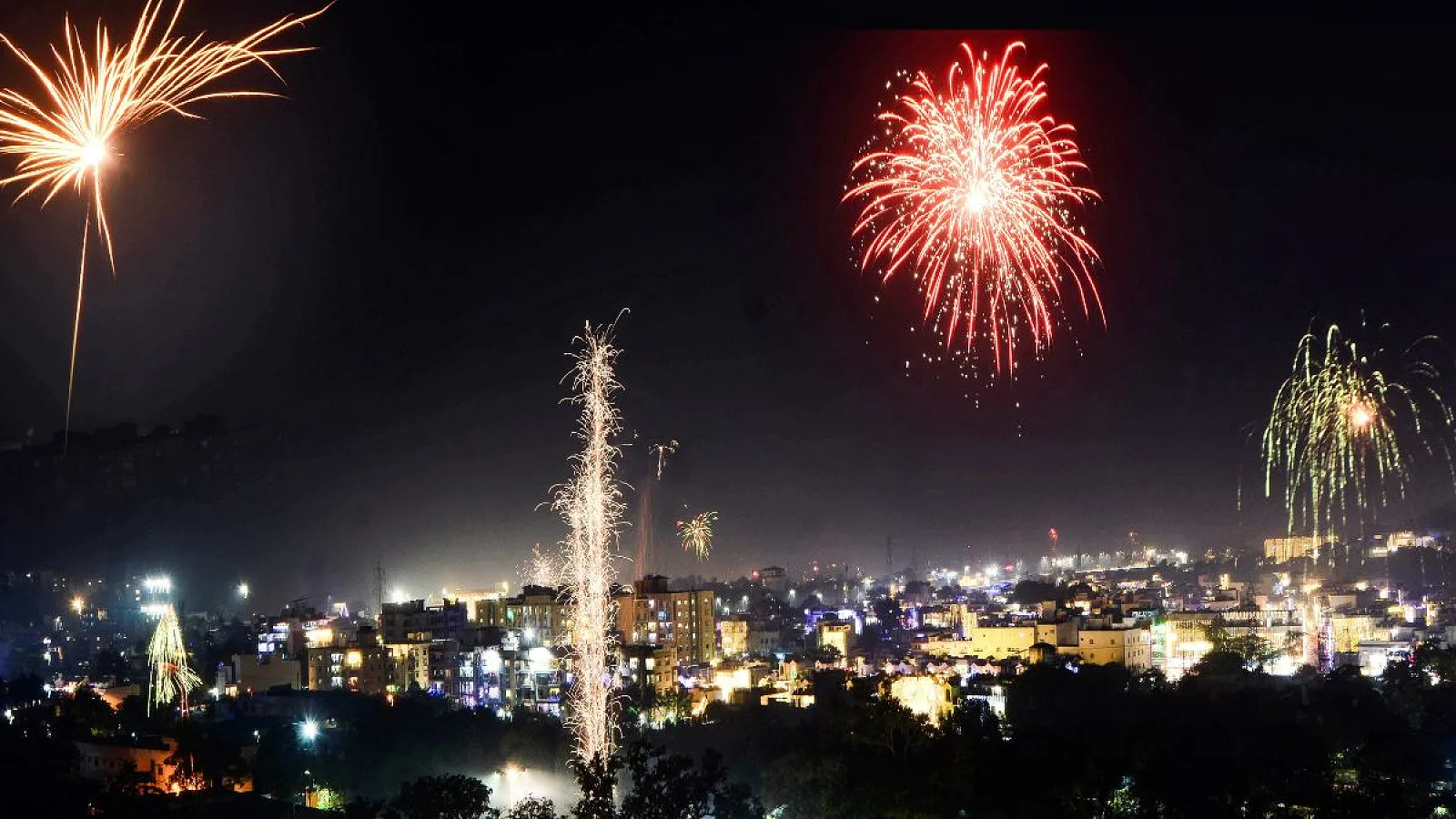
The Bombay High Court has imposed strict restrictions on noise and air pollution during religious processions and festive celebrations across Maharashtra. The Court has directed a complete ban on bursting firecrackers on public streets and roads, besides prohibiting laser lights, high-intensity lights and beams during such celebrations.
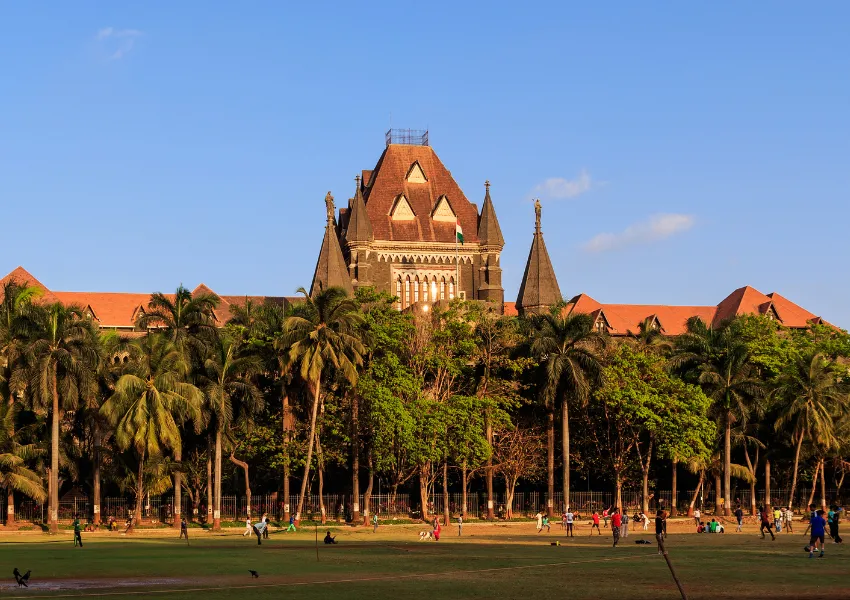
The directions were issued by a Division Bench of Justice Girish Kulkarni and Justice Dr. Neela Gokhale while hearing a suo motu public interest proceeding concerning noise and environmental pollution during religious processions. The Court emphasised that celebrations cannot be conducted at the cost of the health and fundamental rights of other citizens.
Background Of The Case
The High Court took suo motu cognisance of the noise pollution generated during religious processions and festive events. The proceedings concerned the use of loudspeakers, high-wattage sound systems, dhol-tasha, firecrackers, laser lights and other sources of excessive noise and air pollution.
The Court noted that the issue affects densely populated cities including Mumbai, Thane, Pune and Nashik, where large numbers of residents may be affected by excessive noise and pollution during festivals.
Complete Ban On Firecrackers On Public Streets
The Bench directed that there shall be a total ban on bursting firecrackers during festivities on public streets, roads and similar public areas.
The authorities have been directed to take effective measures to prevent air and noise pollution arising from the use of firecrackers.
The Court expressed concern not only about excessive noise but also about the smoke, toxicity and accident risks associated with bursting firecrackers on roads where pedestrians and vehicles are present.
Laser Lights And High-Intensity Beams Prohibited
The Court has also directed the authorities to prohibit the use of laser lights, high-intensity lumen lights and beams during festivities and processions.
Where unauthorised or illegal sound systems or other prohibited equipment are found, the authorities have been directed to take appropriate action, including seizure and confiscation of the offending devices or materials.
Decibel Meters Made Mandatory
The Court has introduced preventive measures for monitoring noise levels during processions and events.
Organisers have been directed to install decibel measurement meters at prominent locations so that authorities can monitor and record the actual noise levels.
Organisers must also provide an undertaking that the sound systems being used will be equipped with internal sound limiters.
₹1 Lakh Security Deposit For Organisers
An important direction concerns the security deposit to be furnished by organisers seeking permission for festivities.
The authorities have been directed to consider taking a minimum security deposit of:
- ₹1 lakh from an association or group of persons; and
- ₹50,000 from an individual organiser.
The deposit can be forfeited if the prescribed decibel limits are breached, apart from any other legal action applicable for the violation.
Organisers’ Details And Permissions Must Be Displayed
The Court has further directed that permissions granted under the Noise Pollution (Regulation and Control) Rules, 2000 must be displayed during processions and festivities.
The names, addresses and mobile numbers of the persons responsible for organising the event must also be displayed so that responsibility for violations can be identified and fixed.
Authorities have also been directed to consider the cumulative impact of multiple permissions granted within the same ward before permitting several events that could collectively result in excessive noise pollution.
Strict Legal Action Against Violators
The Bench made it clear that violations would not be treated merely as minor regulatory breaches.
The Court directed authorities to take action under the applicable provisions of the Noise Pollution (Regulation and Control) Rules, 2000, Environment (Protection) Act, 1986, Bharatiya Nyaya Sanhita, 2023 and Explosives Act, 1884, wherever the facts attract those provisions.
The Court observed that violation of prescribed noise-control norms can affect the fundamental rights of citizens and therefore requires effective enforcement.
Court Highlights Health And Environmental Concerns
The Bench particularly referred to the impact of excessive noise on senior citizens, persons who are ill, students and children.
It also expressed concern over the air pollution caused by firecrackers, including the potential toxicity of the smoke and the cumulative effect on air quality. The Court observed that the existing regulatory framework contains provisions to control noise pollution, but effective implementation remains an important concern.
Festivals Cannot Suspend Noise Pollution Rules
The Court rejected the notion that noise-control requirements become inapplicable merely because a festival or religious procession is taking place.
The Bench observed that the statutory requirements governing noise pollution continue to operate during festivities and cannot be treated as merely formal or unenforced provisions.
The Court stressed that enforcement should be preventive, rather than authorities acting only after excessive noise or pollution has already affected citizens.
Significance Of The Directions
The Bombay High Court’s directions establish a stricter regulatory framework for religious processions and festive celebrations across Maharashtra. Key measures include:
- Complete prohibition on firecrackers on public streets and roads during festivities.
- Prohibition on laser lights and high-intensity light beams.
- Mandatory decibel meters at venues and processions.
- Mandatory internal sound limiters in sound systems.
- Security deposits of ₹1 lakh for groups and ₹50,000 for individuals, subject to the Court’s directions.
- Display of permissions and details of responsible organisers.
- Consideration of cumulative noise impact before granting multiple permissions.
- Seizure and confiscation of unauthorised equipment.
- Prosecution and other legal action for violations under applicable laws.
Conclusion
The Bombay High Court’s order places emphasis on balancing the conduct of religious and cultural celebrations with the right of citizens to live in a safe and pollution-controlled environment.
The Court has made it clear that festive or religious activities do not exempt organisers from complying with statutory noise and environmental requirements. The directions seek to ensure that enforcement takes place before violations cause widespread harm, rather than merely imposing penalties after the event.
