



Introduction
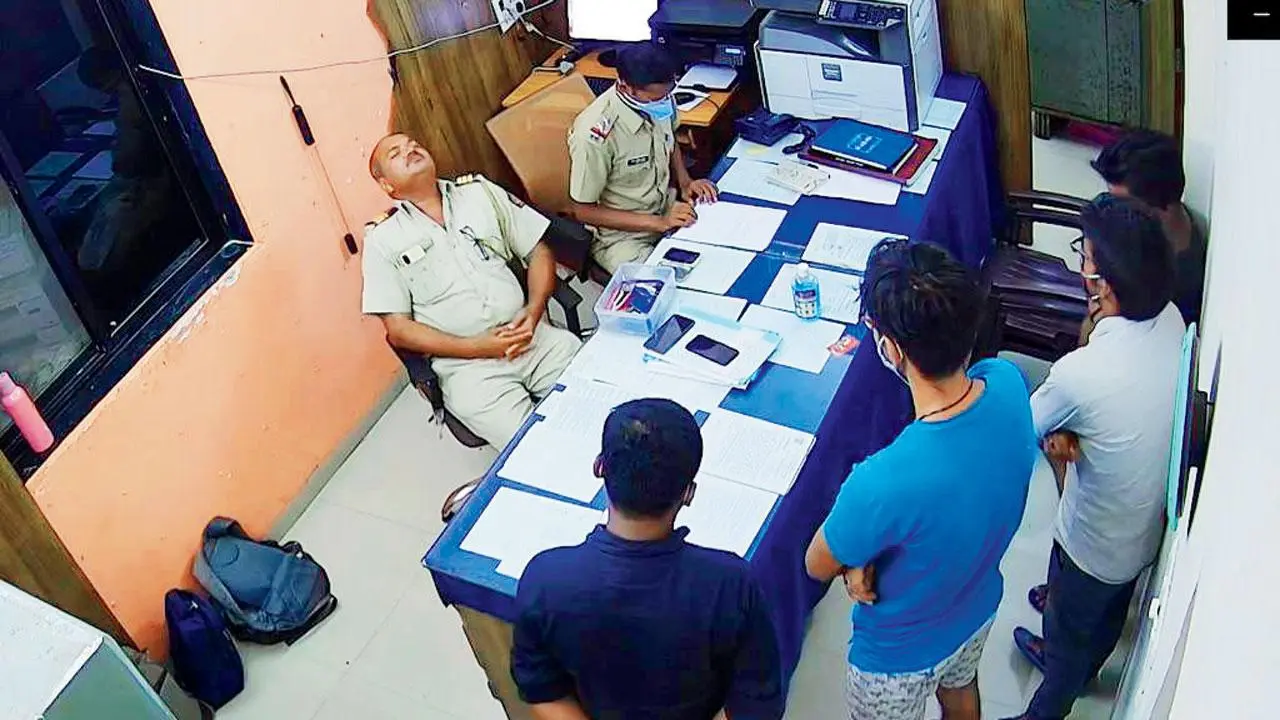
The Rajasthan High Court has emphasized that individuals accused in a criminal case cannot be subjected to unnecessary harassment during an investigation. The Court observed that merely being a suspect does not authorize the police to compel a person to remain at a police station for long hours without sufficient evidence or legal justification.
The remarks came while the Court was examining a murder investigation that had remained unresolved for nearly five years.
Background of the Case
The matter related to a murder case in which the investigation had been pending for an extended period. During the proceedings, concerns were raised regarding the manner in which certain accused persons were being treated by the investigating authorities.
It was alleged that individuals connected to the case were repeatedly called to the police station and made to remain there for prolonged periods despite the absence of concrete evidence linking them to the crime.
Court’s Key Observation
The Rajasthan High Court observed that:
- Investigation must be conducted within the framework of law.
- Police cannot subject suspects to unnecessary inconvenience or harassment.
- Merely because a person is under suspicion does not mean their liberty can be restricted without legal basis.
- Investigative powers must be exercised responsibly and proportionately.
The Court stressed that individuals cannot be made to sit at a police station throughout the day unless there is a lawful requirement supported by evidence.
Balance Between Investigation and Personal Liberty
The Bench highlighted that criminal investigations are essential for uncovering the truth, but they must be balanced against the constitutional rights of citizens.
According to the Court:
- Investigators have the authority to question suspects and gather evidence.
- However, such powers cannot be used in a manner that results in undue harassment.
- Personal liberty and dignity must be respected throughout the investigation process.
The Court reiterated that constitutional protections remain available even to persons under investigation.
Concern Over Delay in Investigation
The High Court also expressed concern over the fact that the murder investigation had remained pending for approximately five years.
The Bench observed that:
- Prolonged investigations create uncertainty for both victims’ families and accused persons.
- Delays can adversely affect the administration of justice.
- Investigating agencies must make sincere efforts to conclude inquiries within a reasonable time.
The Court indicated that prolonged pendency should not become a reason for repeatedly inconveniencing individuals without progress in the investigation.

Directions to Senior Police Authorities
To ensure proper supervision of the investigation, the High Court directed the Superintendent of Police (SP) to personally monitor the progress of the case.
The Court expected senior-level oversight to:
- Ensure a fair and effective investigation.
- Prevent unnecessary harassment of individuals.
- Facilitate timely completion of the probe.
The Bench emphasized that supervisory officers must ensure that investigative powers are exercised lawfully and responsibly.
Importance of the Ruling
This judgment is significant because it:
- Reinforces protections against arbitrary police conduct.
- Recognizes the rights and dignity of persons under investigation.
- Highlights the need for timely completion of criminal investigations.
- Promotes accountability and oversight within law enforcement agencies.
Conclusion
The Rajasthan High Court’s observations underline that criminal investigations must be evidence-driven and conducted with respect for individual rights. By cautioning against making accused persons sit at police stations for extended periods without concrete evidence and directing senior police supervision of a long-pending murder probe, the Court has reaffirmed the importance of balancing effective investigation with constitutional safeguards and human dignity.
