




The Jammu & Kashmir and Ladakh High Court has held that deliberately signing a cheque with a signature that does not match the specimen — with the intent of preventing its encashment — can amount to an offence under Section 138 of the Negotiable Instruments Act.
Facts of the Case
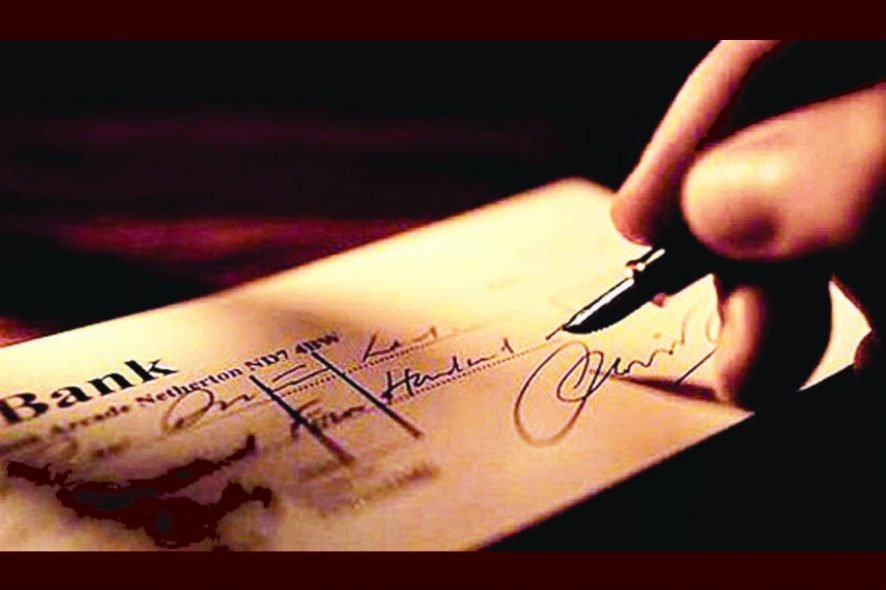
A person issued cheques to discharge a liability but, when the payee attempted to encash them, the bank dishonoured them on the ground that the signatures did not match the recorded specimen. In response, the drawee claimed that he never intended the cheques to be honored and had intentionally made his signature inconsistent.
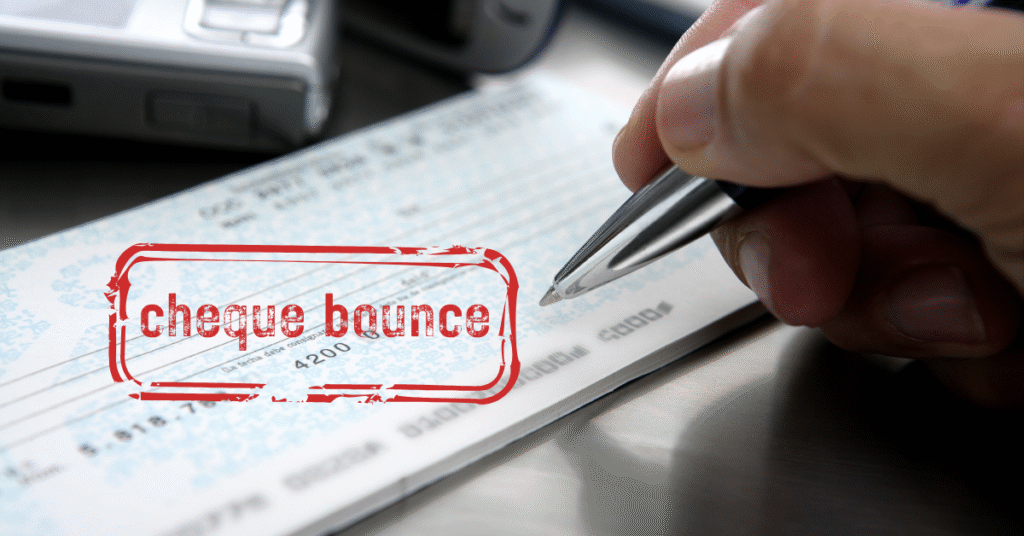
Criminal proceedings under Section 138 (dishonour of cheque for insufficiency of funds/other reasons) were initiated. The accused argued that since the cheques were dishonoured due to signature mismatch rather than “insufficiency of funds,” the offence under Section 138 did not attract.
Court’s Reasoning
The High Court rejected this argument, observing that:
The essence of Section 138 is not limited to dishonour caused only by lack of funds; it also covers dishonour arising from crossing, signature mismatch, tampering, or other causes where the instrument is drawn for the discharge of a legally enforceable debt or liability.
If an issuer intentionally uses a mismatched or tampered signature to frustrate the purpose of the cheque — effectively ensuring that it cannot be cashed — that conduct negates any innocent explanation and reveals an intention to avoid payment.
In such cases, a dishonour certificate obtained due to signature mismatch is legally equivalent to dishonour for other prescribed reasons under Section 138, so long as the underlying liability was genuine and the drawer’s conduct was intentional.
Legal Principle
The judgment underscores that Section 138 is triggered when:
A cheque is issued for repayment of a debt or liability;
The cheque is presented within its validity period;
It is dishonoured by the bank; and
The dishonour occurs due to circumstances — including signature mismatch — that render it uncashable despite the existence of funds; and
The drawer had the intent to avoid payment.
A deliberately mismatched signature to defeat encashment reflects such intent.
Significance
This ruling reinforces that the protective object of the Negotiable Instruments Act cannot be circumvented through technical devices — such as using an incorrect signature. Issuers who deliberately render their own instruments uncashable may still be held criminally liable under Section 138 if the dishonour is linked to an intention to avoid payment of a bona fide liability.
