



Introduction
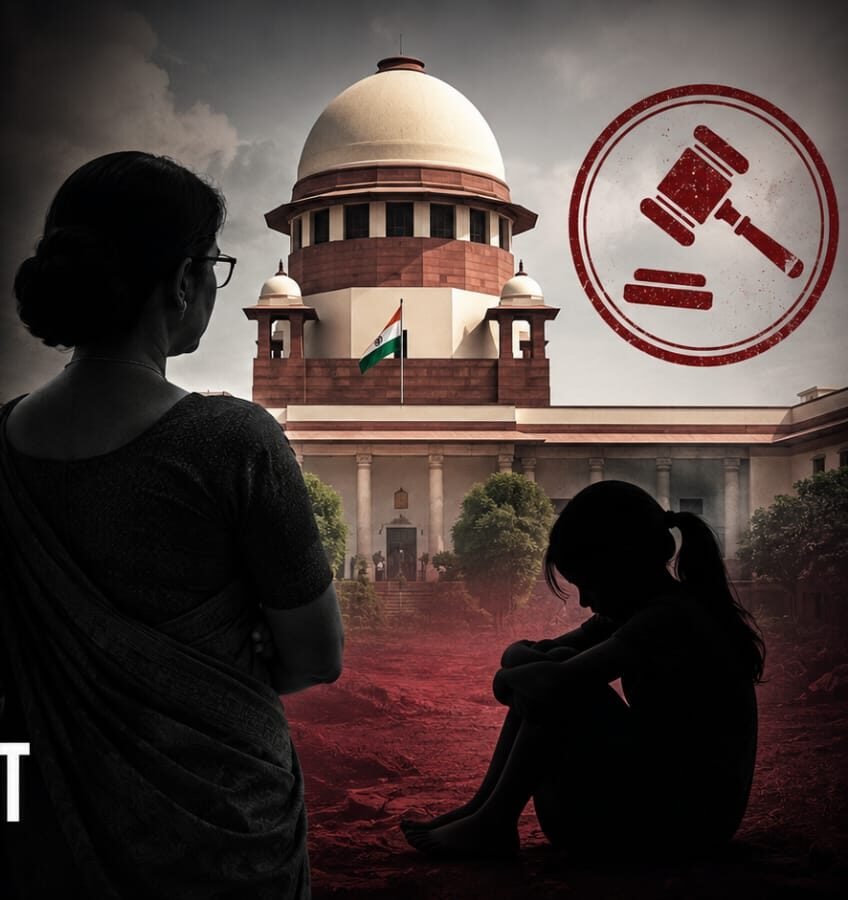
In a significant judgment strengthening the mandatory reporting obligations under the Protection of Children from Sexual Offences (POCSO) Act, 2012, the Supreme Court has held that a school headmistress cannot avoid prosecution merely because she chose to conduct her own verification before informing the police. The Court observed that any person who receives direct information about child sexual abuse has a statutory duty to report the matter to the authorities without delay.
Background of the Case
The case arose after a school student allegedly informed the headmistress that she had been sexually assaulted. Instead of immediately reporting the allegation to the police as required under the POCSO Act, the headmistress reportedly attempted to verify the complaint herself.
Criminal proceedings were initiated against her for failing to comply with the Act’s mandatory reporting provisions. Although the lower courts discharged her from the case, the matter eventually reached the Supreme Court.
Court’s Key Observations
The Supreme Court overturned the discharge order and observed that:
- The POCSO Act imposes a mandatory obligation to report child sexual abuse.
- A person receiving direct information from a child about sexual abuse cannot substitute the statutory reporting process with a personal inquiry.
- Conducting an independent verification is not a valid excuse for withholding information from the authorities.
- The objective of the POCSO Act is to ensure immediate intervention for the protection of children.
Mandatory Reporting Under the POCSO Act
The Court emphasized that the reporting requirement under the POCSO Act is mandatory and not discretionary.
According to the Court:
- Any person who has knowledge of an offence under the Act must promptly inform the Special Juvenile Police Unit or the local police.
- School authorities and other persons in positions of trust have an even greater responsibility to ensure compliance with the law.
- Delayed reporting may expose the child to further harm and frustrate the purpose of the legislation.
Personal Verification Cannot Replace Legal Duty
Rejecting the headmistress’s defence, the Supreme Court clarified that educational institutions cannot create their own process for verifying allegations before approaching law enforcement.
The Court held that:
- The law requires immediate reporting once information regarding child sexual abuse is received.
- Determining the truth of the allegation is the responsibility of the investigating authorities, not school officials.
- Any attempt to privately verify the complaint before reporting is inconsistent with the object of the POCSO Act.
Court’s Decision
The Supreme Court restored the criminal proceedings against the headmistress, holding that there was sufficient basis to proceed with the prosecution for the alleged failure to report the offence. The Court ruled that the correctness of the allegations and the headmistress’s liability should be examined during the trial and not dismissed at the threshold.
Significance of the Judgment
This ruling is important because it:
- Reinforces the mandatory reporting requirement under the POCSO Act.
- Clarifies that school authorities cannot conduct their own inquiry instead of informing the police.
- Strengthens the legal protection available to child victims of sexual abuse.
- Emphasizes the accountability of persons holding positions of trust and responsibility.
- Reaffirms that prompt reporting is essential to achieving the objectives of the POCSO Act.
Conclusion
The Supreme Court’s judgment sends a clear message that every person, particularly school authorities, must strictly comply with the mandatory reporting provisions of the POCSO Act. By reviving the prosecution against the school headmistress, the Court reaffirmed that private verification or internal inquiries cannot replace the legal duty to immediately report allegations of child sexual abuse. The decision strengthens child protection laws and underscores that safeguarding children requires prompt action rather than independent assessment by those receiving such complaints.
